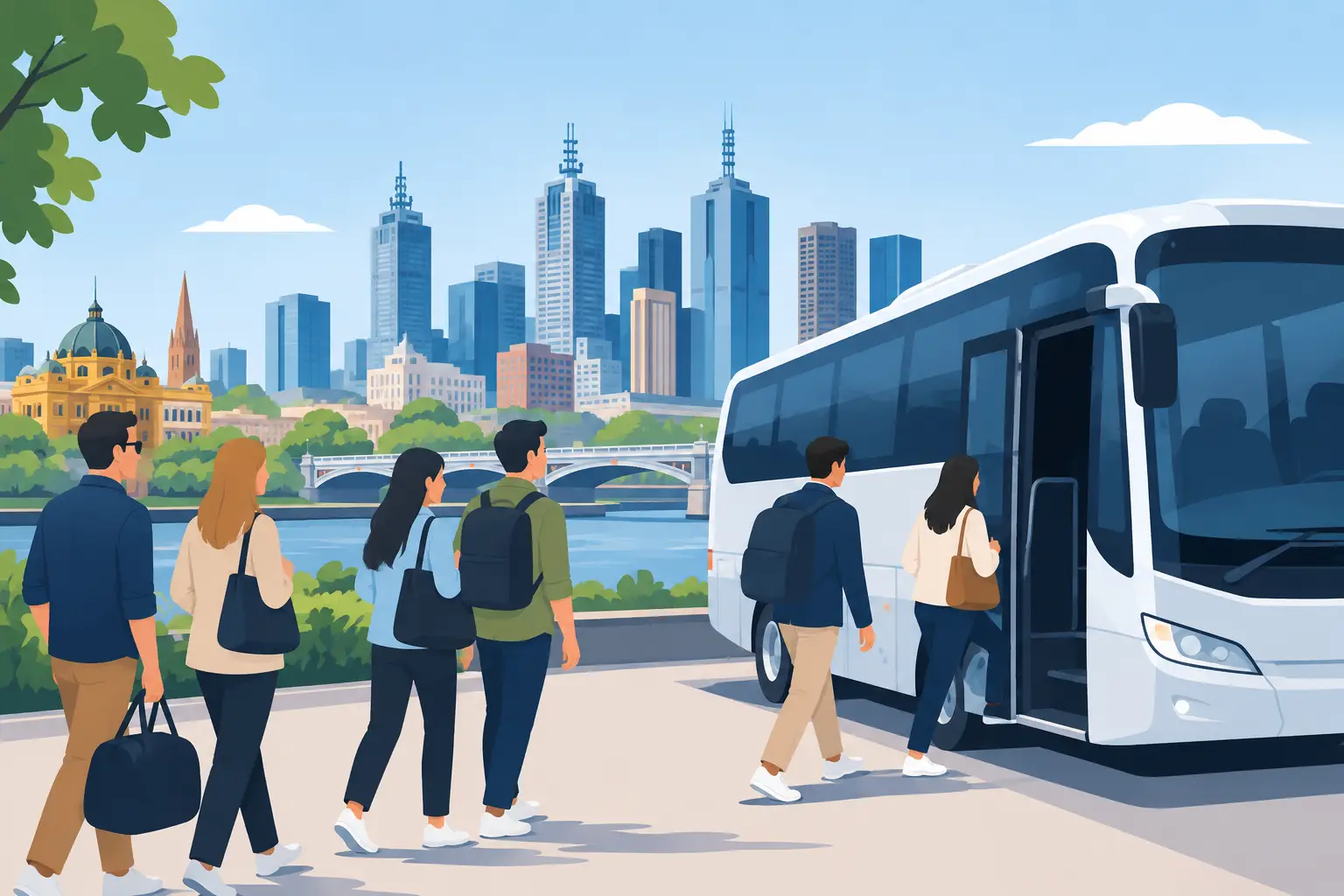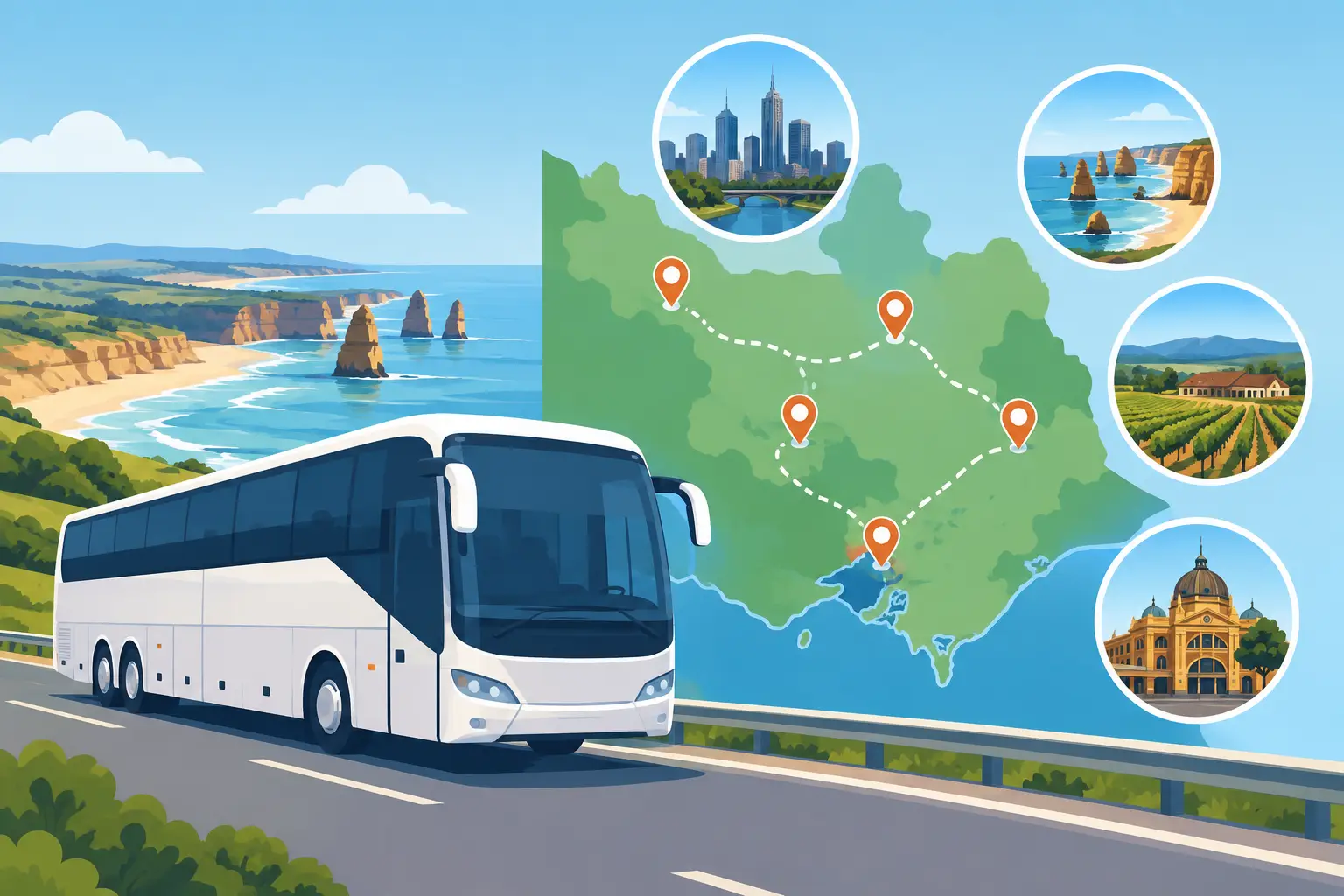
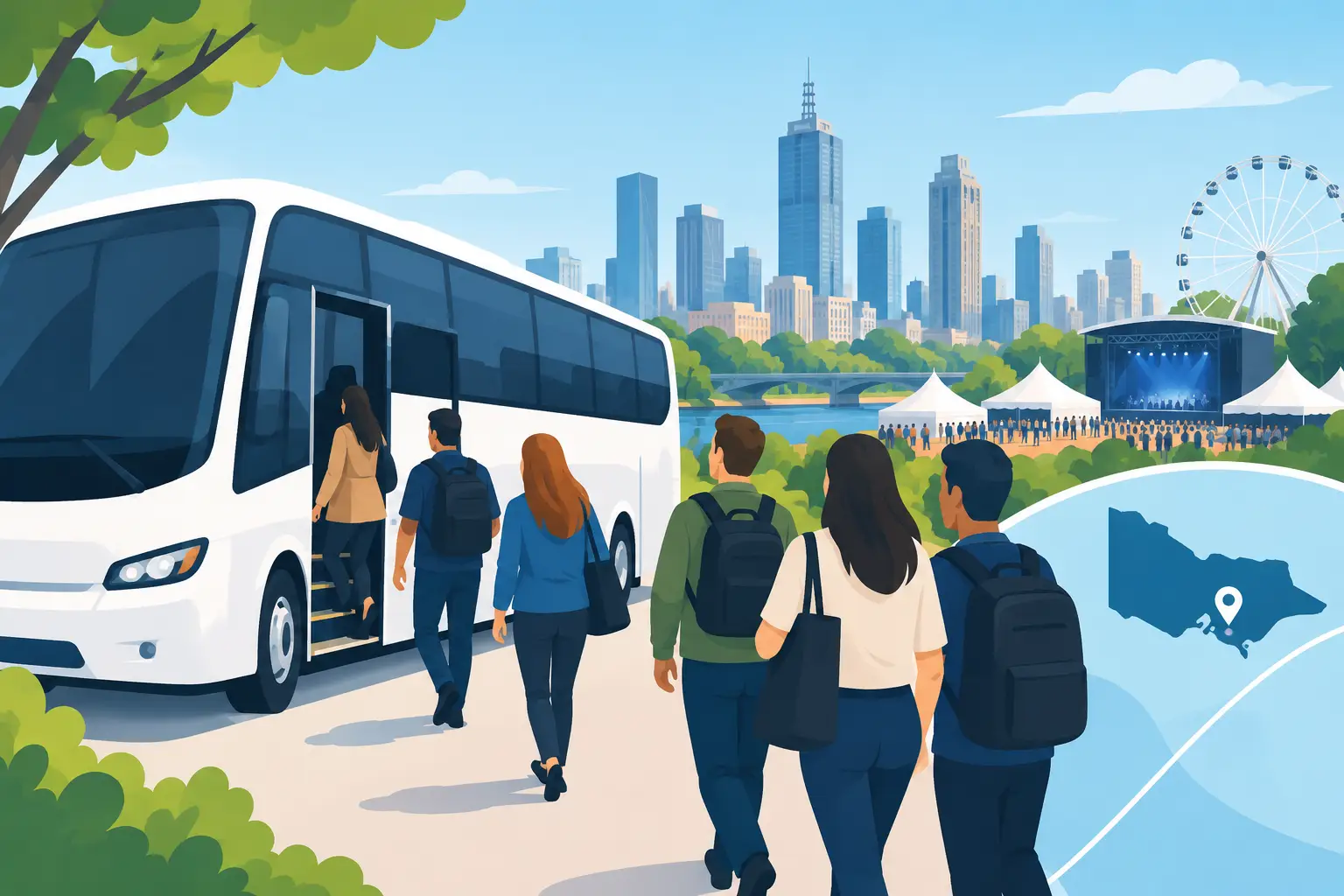
A 7:30 p.m. wedding pickup, a 9:00 a.m. corporate transfer, or a full day in the Yarra Valley can all go off track for the same reason: the group arrives in separate cars, at different times, with parking and navigation left to chance. Group transport planning puts one driver, one vehicle plan, and one agreed schedule at the center of the day.
For organizers in Melbourne, the Mornington Peninsula, the Yarra Valley, and Country Victoria, the goal is not simply getting people from A to B. It is making sure the right number of passengers are collected safely, the itinerary is realistic, and everyone knows where they need to be. A bus and professional driver remove much of the back-and-forth that comes with coordinating multiple vehicles.
Start Group Transport Planning With the Trip Details
The most useful transport quote starts with clear information. Before selecting a vehicle, confirm the date, pickup time, pickup location, destination, and expected return time. For a multi-stop day, list each stop in order and include how long the group expects to spend there.
Guest numbers deserve particular attention. Ask people to confirm rather than estimating from an invitation list or staff roster. A group of 21 may suit a 21-seat bus if every seat is needed, but some organizers prefer a little extra room for bags, jackets, event supplies, or late additions. The practical choice depends on the trip. A short city transfer can work well at full capacity, while a winery day or regional charter may be more comfortable with spare seats.
It also helps to identify the nature of the group early. Corporate guests may be arriving with luggage or need collection from several offices. Wedding guests may include older family members, children, and people unfamiliar with the area. A family celebration may involve gifts, prams, or a later finish than first expected. These details affect pickup sequencing, timing, and the vehicle size that makes sense.
Match the Bus to Your Confirmed Passenger Count
A capacity-led fleet makes planning more straightforward when you know your final numbers. Vehicles with 12, 14, 21, 25, 34, 45, 48, 50, and 57 seats give groups options without paying for a vehicle that is clearly too large or trying to squeeze everyone into one that is too small.
Small groups often choose a 12- or 14-seat vehicle for airport-style transfers, executive travel, family events, or a compact winery outing. Mid-sized groups may find 21, 25, or 34 seats appropriate for wedding guest transfers, team functions, or local tours. Larger functions, workplace movements, and event parties can require 45 to 57 seats.
Capacity is only one part of the decision. Consider luggage, event equipment, accessibility needs, and the pickup environment. A narrow suburban street, busy CBD hotel zone, or rural venue driveway may call for a different approach than a simple venue-to-venue transfer. Share these details when requesting a quote so the transport plan reflects the actual trip rather than a basic passenger count.
Build a Schedule That Allows for Real Life
The fastest-looking itinerary is not always the most dependable one. Melbourne traffic, major events, roadworks, venue access, and late-running guests can all affect timing. A sensible schedule includes enough margin for boarding, traffic, and short delays, especially where the group has a fixed start time such as a ceremony, conference session, restaurant booking, or flight check-in.
For one-way transfers, set a pickup time that gets the group to the destination before the event begins. Arriving 15 to 20 minutes early is usually more useful than arriving exactly on time, particularly for weddings and corporate functions where guests may need to check in, find their table, or collect credentials.
For a charter with several stops, avoid packing the day too tightly. A Yarra Valley itinerary that includes three or four wineries, lunch, and a final pickup point needs travel time between venues as well as time for the group to reboard. The same applies to Mornington Peninsula tours, where coastal roads and venue locations can make a map estimate feel shorter than the actual day.
A professional driver can manage the driving and local navigation, but the organizer should nominate one main contact person. This person can confirm the final schedule, receive driver updates, and make decisions if the group needs a minor adjustment. It keeps the driver from receiving conflicting instructions from several passengers.
Plan Pickup Points for Convenience, Not Just Geography
A central pickup point is often the simplest option, but it is not automatically the best one. Choose a location where the bus can safely stop and the group can wait without blocking traffic. Hotels, workplaces, venue entrances, and clearly identified public meeting areas can work well when access is practical.
Multiple pickups are useful when they meaningfully improve attendance, such as collecting staff from two work sites or wedding guests from accommodation locations. Each extra stop, however, adds time and creates another opportunity for delays. If the group is spread across Melbourne, it may be better to use one or two logical meeting points than attempt door-to-door collection.
Give passengers clear instructions before the day: the pickup address, the required arrival time, a contact number, and what to do if they are running late. For a wedding, include this information with guest communications. For work shuttles, repeat it in the roster or team message. Clear instructions prevent the last-minute calls that can hold up an entire vehicle.
Choose the Right Service for the Occasion
Different events create different transport priorities. Corporate transfers are generally about punctuality, professional presentation, and a direct route between offices, hotels, airports, venues, or conference locations. Work shuttle buses often require consistent pickup times and a dependable route that employees can build into their day.
Wedding transport is more flexible but needs careful coordination. You may need a guest shuttle from hotels to the ceremony, a later transfer from the reception, or both. Consider whether guests will need to return at one set time or whether separate early and late services will be more practical. A single return bus is simple, but a staged return can be a better fit for a long reception.
Winery and regional charters are built around the itinerary. The value is having the group travel together while a driver handles the roads, parking, and return journey. This lets guests enjoy tastings or lunch without assigning designated drivers. Confirm venue bookings before locking in the transport timetable, as lunch sittings and tasting times should shape the order of the day.
Family events and social occasions often need a simple transfer that reduces parking pressure and keeps everyone together. A bus can be especially useful for milestone birthdays, reunions, sporting events, race days, concerts, and large dinners where rideshare availability or late-night driving could complicate the return trip.
What to Include When Requesting a Transport Quote
A quote request should make the trip easy to understand at a glance. Provide the travel date, number of passengers, preferred vehicle capacity if known, all pickup and drop-off locations, and the expected start and finish times. If the day includes stops, set them out in order with approximate times.
Also mention special requirements early. This may include luggage, multiple pickup points, a late-night collection, venue access restrictions, or a recurring work shuttle schedule. If your passenger count is still moving, provide the current number and explain when you expect to finalize it. A transport provider can then recommend a suitable vehicle and flag any timing concerns before the booking is confirmed.
For larger events, share a simple run sheet. It does not need to be complicated. A clear sequence of pickup, arrival, key event times, and return service gives everyone a practical reference point. It is particularly helpful when different groups are moving at different times or when there is a strict venue access window.
Bus and Driver Hire provides driver-inclusive charters across Melbourne, the Mornington Peninsula, the Yarra Valley, and broader Country Victoria, with vehicle sizes suited to groups from 12 to 57 passengers. The right quote is based on your actual itinerary, not a one-size-fits-all package.
Keep the Final Plan Simple for Passengers
Once the booking is confirmed, send one final message with only the information passengers need: where to meet, when to arrive, what vehicle to look for, and the expected return arrangement. If alcohol is part of the occasion, make it clear that the group is returning by bus and that no one needs to organize a car home.
The organizer should keep the driver contact and itinerary available on the day, while passengers should know the main group contact. That small division of responsibility keeps questions directed to the right person and lets the group board quickly at every stop.
Good group transport planning gives people more than a ride. It gives the event a reliable starting point and a calm finish. Confirm your numbers, allow time for the real journey, and request a tailored quote early enough to secure the bus and driver that fit your date.