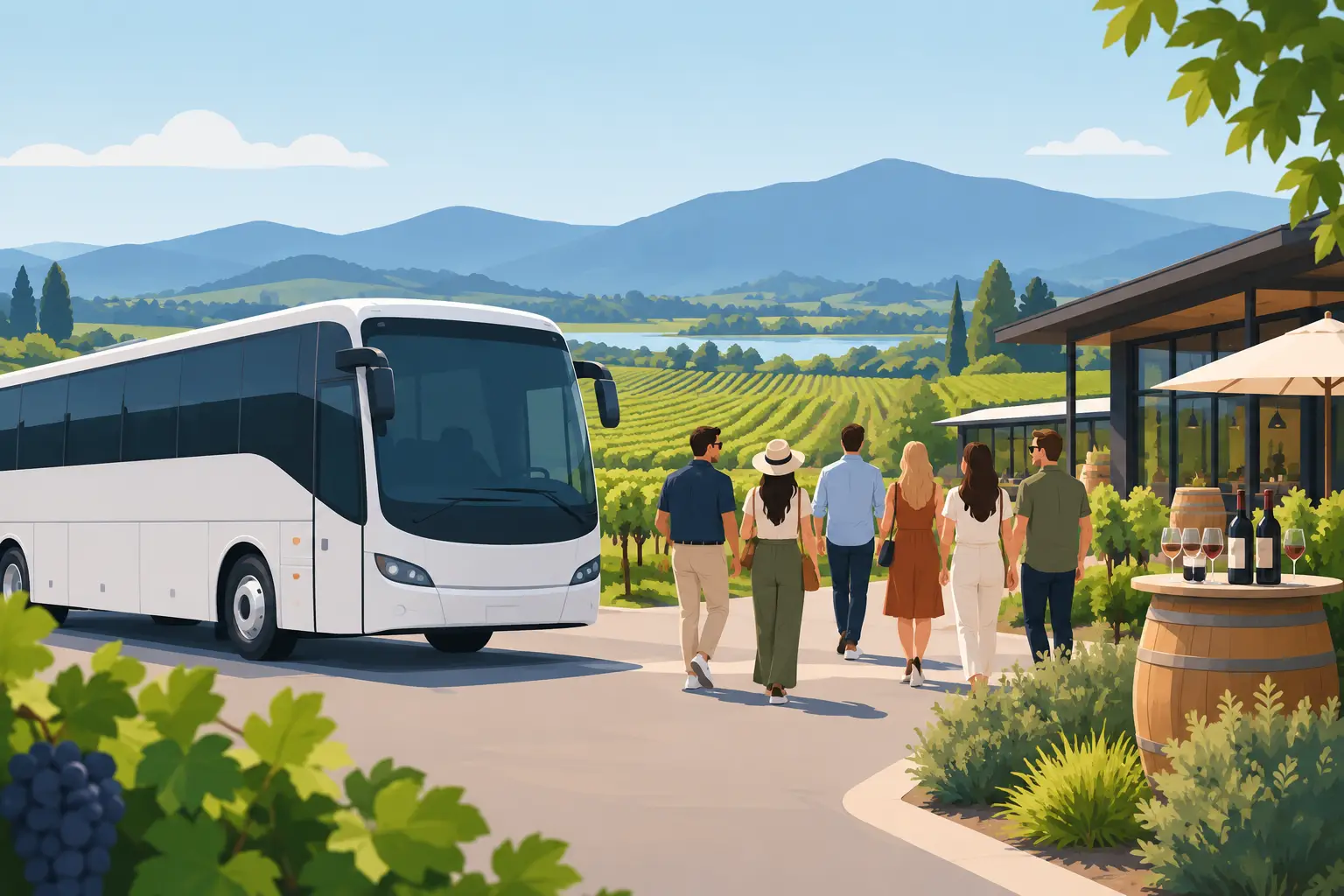
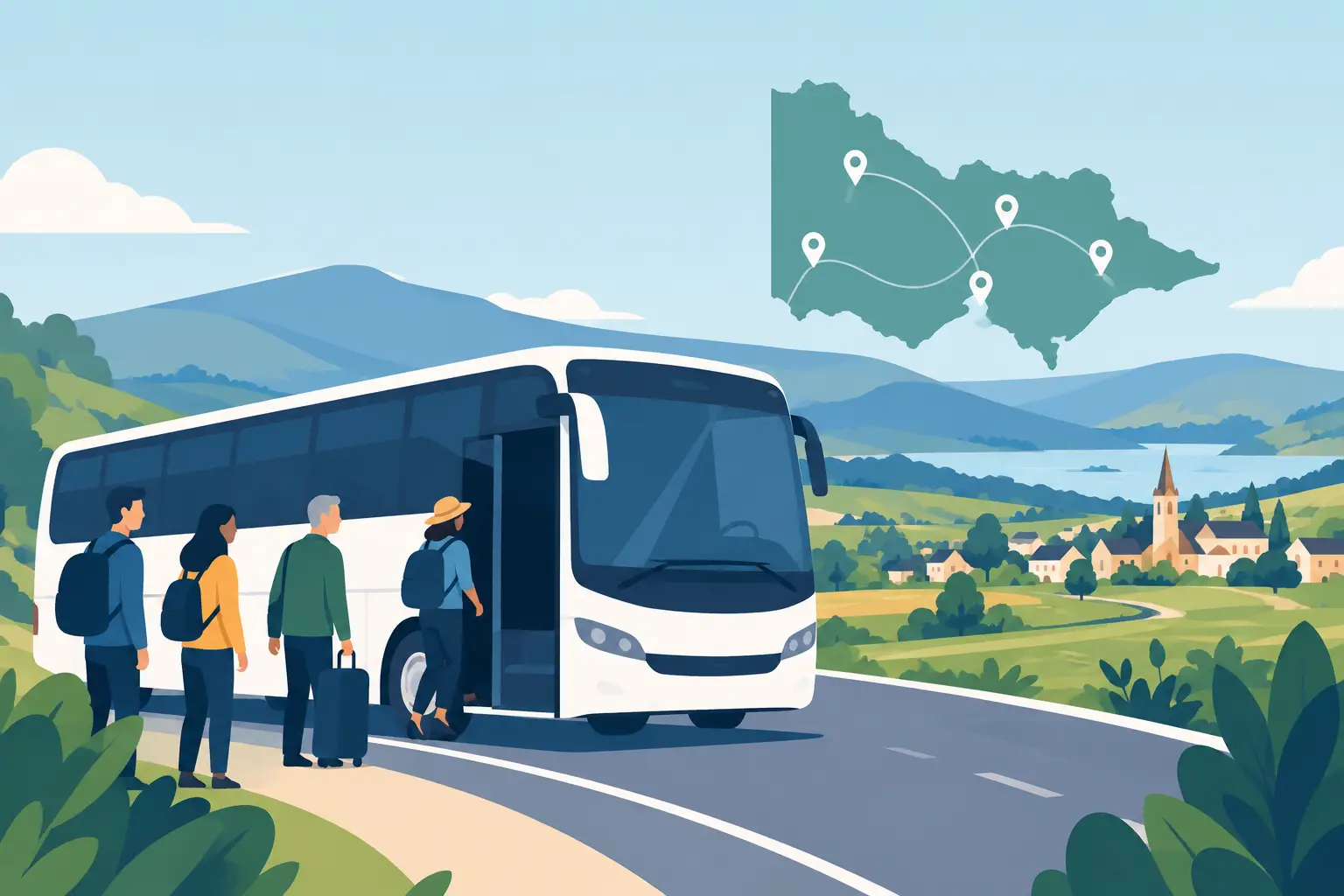
A 32-person winery group does not need 32 separate arrival plans, parking decisions, and designated drivers. It needs one confirmed pickup time, one appropriately sized bus, and a professional driver who knows the route. That is the practical value of regional Victoria group transport: it turns a busy day involving many people into a coordinated trip with a clear start, a reliable schedule, and a comfortable way home.
For corporate travel, a wedding, a family celebration, or a day in the Yarra Valley, the best transport arrangement is rarely the biggest vehicle available. It is the vehicle that fits the group, the itinerary, and the road conditions without leaving organizers to manage unnecessary logistics.
Start With the Group, Not the Destination
The destination matters, but passenger numbers should shape the first transport decision. A small group heading from Melbourne to the Mornington Peninsula has different needs from a 50-person team traveling to a regional conference or a large wedding party moving between a ceremony and reception.
A driver-led charter can be matched to the actual number of passengers. Smaller groups may suit a 12-, 14-, or 21-seat bus. Mid-sized outings often work well in 25-, 34-, or 45-seat vehicles. For larger corporate groups, wedding guests, and event parties, 48-, 50-, and 57-seat buses keep everyone together rather than splitting people between multiple cars.
It is sensible to allow a little room for comfort, especially on longer regional routes. If a group has 22 confirmed passengers, a 25-seat vehicle may be suitable. If attendees are carrying overnight bags, event equipment, prams, or other larger items, mention that when requesting a quote. Seating capacity and luggage needs are related, but they are not the same thing.
There is also a balance to strike. Hiring a bus that is too small can make the day uncomfortable or force last-minute changes. Hiring substantially more seats than needed may not be the most efficient use of the transport budget. A clear passenger estimate helps secure the right option from the start.
Regional Victoria Group Transport Needs a Realistic Schedule
A regional itinerary can look simple on paper: depart Melbourne, visit two or three venues, then return. In practice, pickup locations, traffic, venue access, meal breaks, and the final drop-off all affect the day.
Start by confirming the non-negotiable times. For a wedding, this might be the ceremony start and reception finish. For a corporate trip, it may be a conference registration window or airport arrival time. For a winery outing, booking times at each venue matter most. Build the travel plan around those fixed points rather than filling the day with too many stops.
Allow time for people to board. A single central pickup is usually the fastest option, particularly for early departures. Multiple pickups can be useful when a group is spread across Melbourne, but every additional stop adds time and introduces more opportunities for delays. For a workplace shuttle, the same principle applies: a route needs to be convenient enough for staff while remaining reliable enough to run on schedule.
Regional travel also requires some breathing room. Roads into the Yarra Valley, Mornington Peninsula, and other Country Victoria destinations can be busy at weekends, during school holidays, and around major events. A schedule with a modest buffer is more enjoyable than one that leaves every venue visit dependent on perfect traffic conditions.
Choose the Right Pickup and Drop-Off Plan
The easiest transport plans have a clearly communicated pickup point, pickup time, and contact person. Send these details to every passenger before departure, along with any venue dress requirements, meal arrangements, and return time.
For evening events, consider whether the group should return to one central location or have a limited number of planned drop-off points. A central return is often the most efficient choice. A small number of drops may be worthwhile if guests are traveling together to nearby areas. What matters is confirming the plan before the day, not trying to redesign it once everyone is on board.
Match the Charter to the Occasion
Different group events create different transport priorities. A driver-led bus gives every group a dedicated travel plan, but the details should reflect the purpose of the day.
For corporate transfers and work shuttles, punctuality and consistency come first. Employers may need a one-off transfer to a meeting, training day, or regional site, or a recurring shuttle for staff traveling from a transport hub to work. Clear pickup times, passenger counts, and operating days make these services easier to organize. If shift times change, communicate the change as early as possible.
For winery tours and regional leisure trips, the focus is usually on a relaxed day without the issue of driving between venues. A charter bus lets the whole group travel together, enjoy tastings responsibly, and avoid parking challenges at popular cellar doors. Keep the itinerary achievable. Two or three well-timed stops can feel more enjoyable than rushing through five locations.
For weddings, group transport helps keep guests where they need to be when they need to be there. It is especially useful when the ceremony, photo locations, accommodation, and reception are spread across a regional area. Couples can arrange guest transfers from accommodation to the venue, then a return service after the celebration. This is practical for guests who are unfamiliar with the area and reassuring for hosts who want everyone to get home safely.
Family occasions, sporting groups, concerts, and private events benefit from the same approach. Instead of relying on separate vehicles and hoping everyone finds the venue, the group arrives together with a driver handling the route and parking arrangements.
Give Your Driver an Itinerary That Works
A good itinerary is specific enough to guide the day while allowing for reasonable adjustments. Include the pickup address, preferred departure time, all venue names and addresses, booking times, expected departure times, and final drop-off location. If there is a group coordinator, provide their mobile number as the main point of contact.
Venue access is worth checking in advance. Some regional properties have narrow entrances, restricted bus areas, or designated loading zones. Large events may have separate instructions for coaches and private charters. Sharing these details early helps the driver approach the site correctly and avoids delays at the gate.
If the group is visiting several venues, confirm whether each stop has space for the bus to wait or whether the driver will need to return at an agreed time. It depends on the venue and the itinerary, so it should never be assumed. This is particularly relevant for weddings and winery days where timing can change as the event progresses.
Food and restroom breaks also deserve a place in the plan. On a full-day regional charter, a meal stop is not just a nice extra. It gives passengers time to reset and helps keep the schedule realistic. When the group includes children, older relatives, or people with mobility considerations, allow more time for boarding and venue movement.
Book Early for High-Demand Dates
Saturday winery trips, spring weddings, end-of-year functions, race days, and major regional events can create strong demand for group transport. Booking early gives organizers more flexibility around vehicle size and preferred pickup times.
When requesting a quote, provide the date, passenger number, pickup and return locations, approximate times, and planned stops. If the itinerary is still being finalized, share what is known and identify the parts that may change. An accurate quote depends on the trip requirements, not just the distance between two points.
It also helps to confirm your final passenger count before the trip. A few additional guests can affect the vehicle required, while a smaller final group may create an opportunity to use a more suitable bus. Early communication gives the transport provider the best chance to keep the arrangement aligned with your plans.
Make the Ride Part of the Event
The best regional charter does more than move people from A to B. It removes the small decisions that make group events tiring: who is driving, where everyone will park, whether guests know the route, and how people will get home after a long day.
For organizers, that means fewer messages to chase and fewer moving parts to manage. For passengers, it means they can arrive together, enjoy the occasion, and leave together. Bus and Driver Hire can provide a tailored bus and driver option for groups across Melbourne, the Yarra Valley, the Mornington Peninsula, and broader Country Victoria. Request a quote with your date, group size, and itinerary, then give your group one clear plan for the road ahead.